When survivorship becomes long-term, it can be
an adjustment to move from active treatment to periodic surveillance.
Yesterday, I was scheduled for my annual visit at the cancer
treatment center. Since my last visit, the center had been bought by another
company. I was nervous about the visit, not only because it had been a while
since I’d been there, but also because I would be seeing a new oncologist.
 |
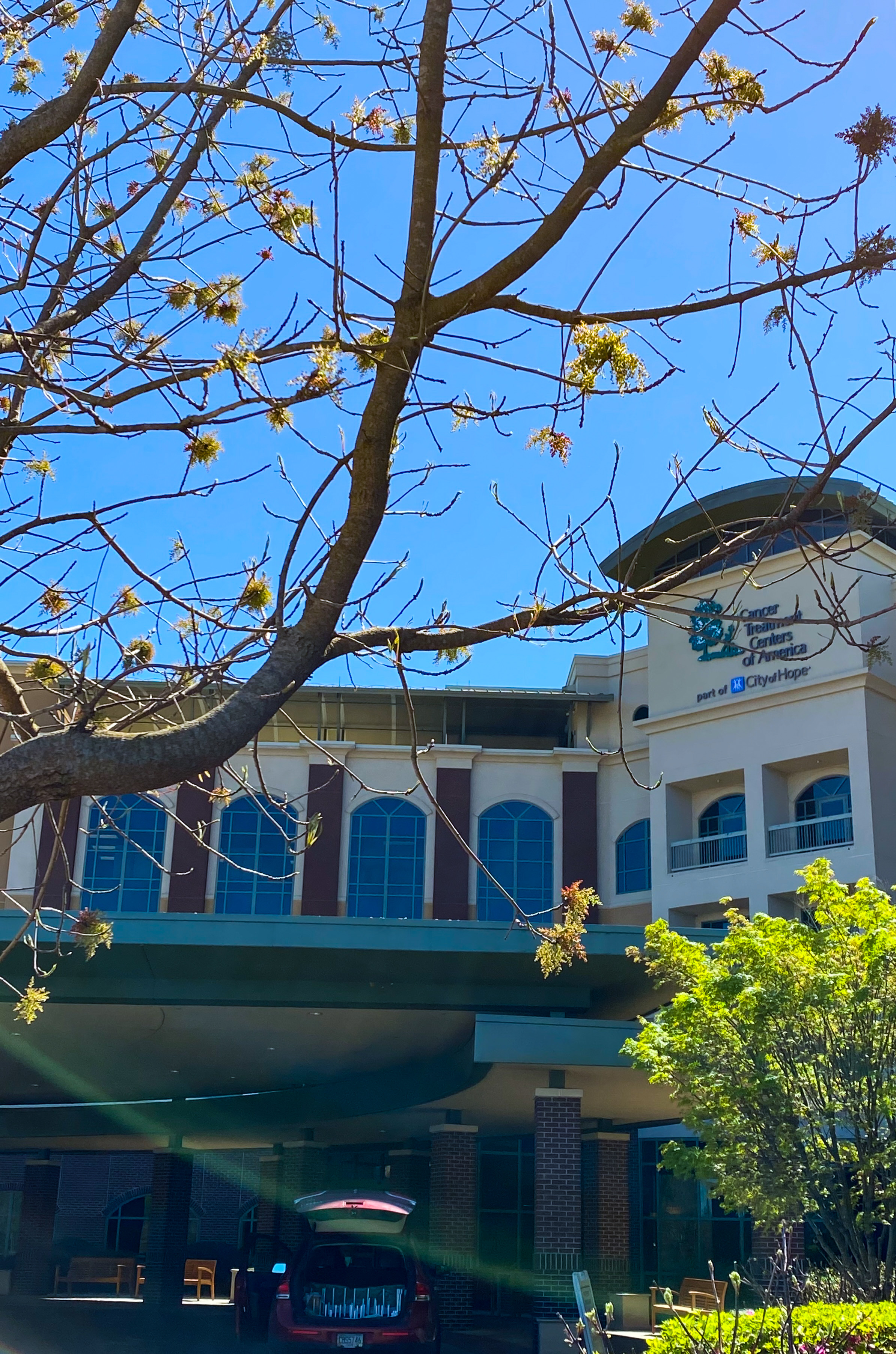
Front of the building
|
Since being diagnosed with breast cancer, I’ve seen several
oncologists. For one reason or another, I hadn’t been with one for more than 2
years. I always found it difficult to see a new doctor but learned to develop a
“nutshell” version of my medical history to present at each visit.
When I arrived at the cancer center, I lucked up and found a
parking space close to the front door. The parking lot was packed and I was
grateful, especially since I’d been having a lot of knee problems and walking was
difficult.
As I entered the building, I wasn’t prepared for the anxious
feelings that suddenly overwhelmed me. Standing in the lobby, I looked around. Some
things were familiar but many things had changed.
At the registration desk, I received a schedule of my
appointments for the day. It was going to be a long day. I would start the day
with a visit to the lab, then I’d see a nurse for assessment before seeing the
oncologist. After the oncologist, I’d see a naturopath and finally, I’d end the
day in the physical therapy department as I was re-evaluated for lymphedema treatment.
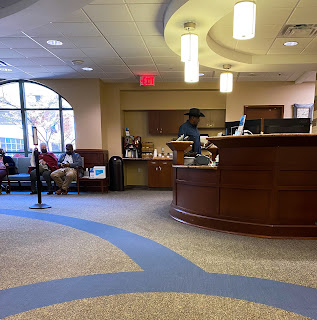 |
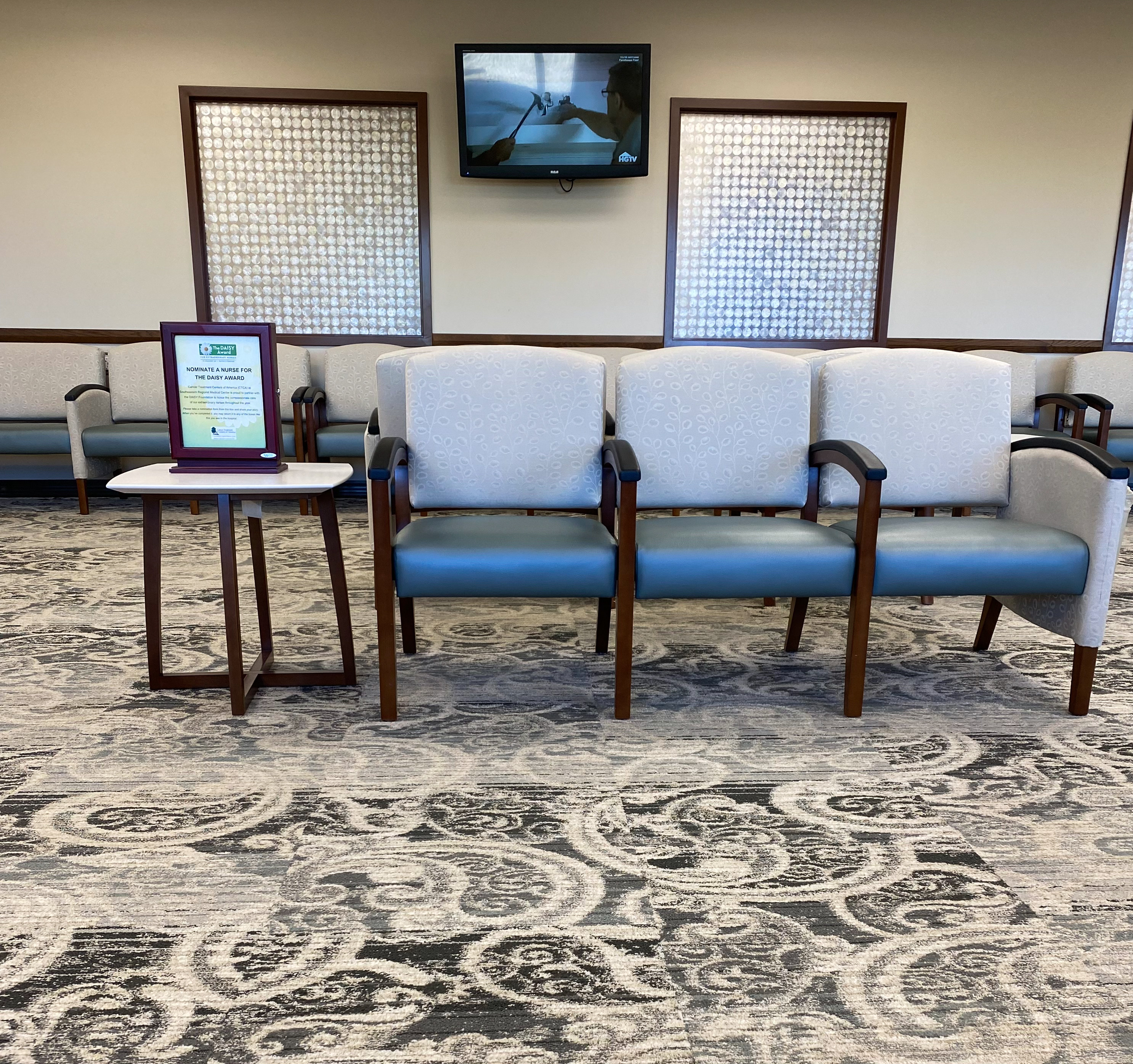
First waiting room area
|
The lab visit was quick and a skilled nurse found the vein
in my hand quickly. It would be an hour before my next appointment, so I found
an empty chair in a quiet hallway and sat down to read. As I waited, I watched
patients come and go. I felt uncomfortable. I didn’t look like the other breast
cancer patients. I looked healthy and strong while they were evidently in
various stages of treatment. Pushing down my feelings of survivor’s guilt, I
continued to vacillate between reading my book and looking at my watch.
When the time came for me to head toward the oncology
department, my anxiety eased a bit as I saw a familiar face. One of the
administrative staff greeted me with a big smile and said, “I remember you!”
Instantly, her kindness put my heart at ease.
Soon I was called back to meet with the new nurse. After a
brief visit with her, I was placed in an exam room to await my new oncologist.
When the oncologist entered, she briefly introduced herself
and then turned to introduce me to her scribe and a nurse. I was surprised to
have 3 people attending me.
The doctor pulled up my medical records on her computer
screen and began to read about my case. As she recanted the information to me,
I was surprised when she said, “So I see here you underwent reconstruction…”
Immediately, I interrupted her and said, “No. I did not.” She looked shocked
that she’d received incorrect information. Though I was hesitant to correct
her, I wanted to make sure my record accurately reflected my cancer journey.
 |
| Waiting room for the naturopath | |
|
|
After getting familiar with my case, the doctor asked about
my current symptoms and whether I was having any problems. I mentioned a growth
I’d found at my left clavicle. She quickly palpated it and ordered an
ultrasound. I was glad she was concerned and proactive.
Next, I was sent to the naturopath. He met with me for about
twenty minutes and gave ideas on how to combat my chronic insomnia. I enjoyed talking
with him and left with a sheet of paper listing several companies that provided
CBD products he thought would be helpful.
One thing I like about the cancer treatment center was its
integrative and holistic approach to treatment.
 |
View of the parking lot from the rooftop
|
The next stop was the physical therapy department. A new
therapist asked about my lymphedema and went over treatment options. As she
talked, I smiled and told her I’d been dealing with this for 9 years and I was
very familiar with manual lymphatic drainage, dry brushing, and using
compression garments. She laughed and said, “So this is really old hat to you?”
I nodded and she told me to keep on doing what I was doing and I wouldn’t need
to see her again unless something changed.
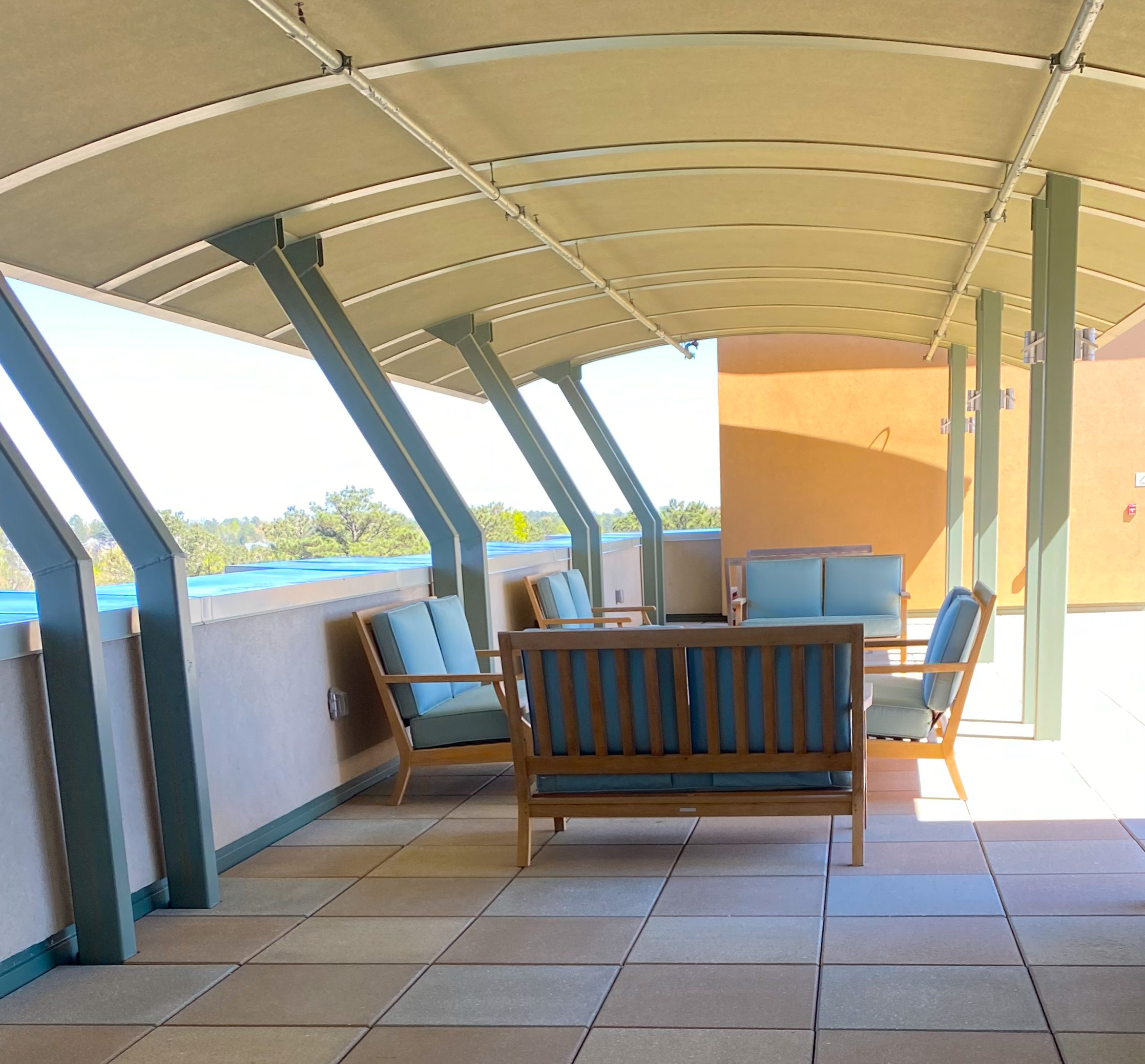
After all my appointments, I wanted a few minute to decompress so I went up the secret elevator (the one only patients know about) that takes you up to the fifth floor. Up there, patients can hang out in a very private, quiet terrace area. I like going up there because usually there's no one there. It's a good thinking spot, but when I got there, two women were sunbathing and I didn't want to disturb them so I picked a quiet corner and took a few minutes to pray before leaving.
I left the facility feeling conflicted. While I understood
the importance of an annual visit, I still hadn’t gotten used to being under surveillance
care.
When I first began treatment, I was seeing someone every few
months or so. As time went on, my appointments were moved out to about every
six months, and now, every year.
It was comforting to know someone was keeping a close watch
on me but I would also have to keep a close watch on myself. That’s one reason
I’ve learned, over the years, to pay particular attention to my body. Aches and
pains are normal parts of aging but there are things that I need to watch like
lumps that randomly appear or an increase in lymphatic issues.
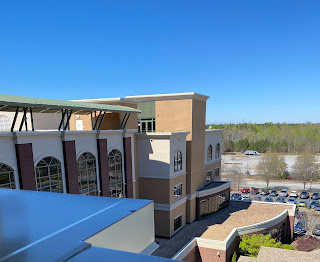 |
from the roof toward the front of the building
|
The good thing about being under surveillance is knowing I’m
only a phone call away from medical care. Though I won’t see the oncologist every
few months, I’ll always see my primary care physician multiple times a year. If
there’s something I’m not sure about, I can always ask his opinion first and if
he thinks it’s something cancer-related, he’ll refer me back to the oncologist.
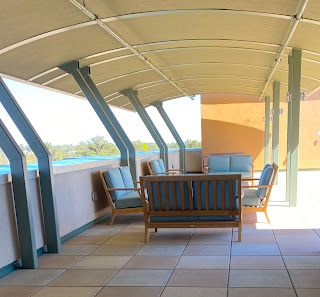 |
5th floor roof terrace hangout for patients
|
Being under surveillance takes some getting used to. I like
the freedom of knowing I don’t have to report in for treatment constantly but I’m
not quite used to returning to my post-cancer life. I guess all good things
come in time but I still don’t understand why the oncologist won’t say I’m completely
cured. In my heart, I don’t believe cancer will ever be a part of my life again
even if cancer care continues to be.
It’s such a blessing to know I can finally live my life
without the constant fear of recurrence. It’s taken me 9 years to get to this
point but boy, it sure feels good.